
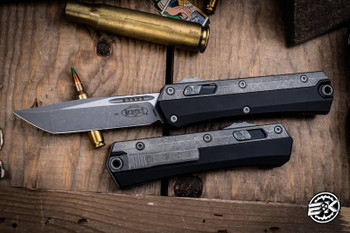
Sharp and Secure: Mailing Knives the Right Way
Posted by EKnives on Nov 27th 2025
You've decided to trade some of your collection, or maybe you're selling a knife that's no longer right for you. Or perhaps you are giving a knife to some lucky person in your life. Whatever the reason you have for needing to relocate a blade, you'll need to figure out how to get it to its new home.
Can you just drop it in the mail and hope for the best? Not quite. Mailing knives isn't as simple as tossing a sharp tool in a padded envelope. There are legal restrictions, safety precautions, and carrier policies that every knife owner should know. The last thing you want is a damaged blade, a rejected shipment, or a visit from the postal inspector.
Whether you're sending a limited-edition Microtech gear off for sharpening or giving the gift of Benchmade, shipping knives the right way keeps your gear, and your record, clean. Here's how to do it safely and legally:
Know What You Can Legally Ship
Let's start with the most important point: yes, you can mail knives, but the law doesn't treat all knives are treated equally. Folding knives, fixed blades, and balisongs are generally fine to ship within the U.S., as long as they're legal in both the origin and destination states.
However, automatic knives (also called switchblades) may have mailing restrictions, depending on where you're shipping. Before you tape that box shut, check two things:
- Local legality. Is the knife legal to own and ship to the recipient's location?
- Carrier rules. Some carriers are stricter than others about what they'll transport.
For example, USPS restricts interstate shipping of automatic knives, while FedEx and UPS are typically more flexible for collectors and dealers. When in doubt, reach out to the carrier or consult a trusted resource on knife laws.
If you're not sure what's legal where you live, reputable retailers often provide guidance. Sites that specialize in the knife community can help you understand the rules. Knife communities or online knife retailers can also be a source of information about shipping your blades safely and what's each carrier allows you to ship.
Choose the Right Carrier
Different carriers have different levels of tolerance when it comes to knives.
The USPS generally allows folding and fixed blades that aren't classified as weapons, but restricts automatic knives and gravity knives across state lines. UPS and FedEx are typically more accepting of premium, collectible, and automatic models, making them ideal for EDC enthusiasts and resellers.
For military or remote addresses, USPS may be your only choice, but always confirm what's permitted before sending.
No matter which you choose, never label your package with words like "knife," "blade," or "weapon." Keep it neutral and professional so that it looks like just another shipment.
Package Like a Pro
Packaging is where many shippers slip up. Even the toughest knife needs a little protection.
Start by securing the knife itself. If it came with a sheath, box, or pouch, use that. Otherwise, wrap it snugly in several layers of bubble wrap or foam padding and secure it with tape. For folding knives, ensure they're closed and locked before wrapping.
Next, place the knife inside a sturdy box. Never use just a padded envelope. Add plenty of filler like air pillows, packing paper, or more bubble wrap. This prevents it from rattling or shifting during transit. Seal every box seam with heavy-duty packing tape.
Include a small note with your contact information inside the box in case there's damage to the label. If it's being sent for sharpening or warranty work, include clear instructions in a plastic sleeve.
Insure and Protect Your Shipment
High-end knives deserve high-end protection. Models from Benchmade, Pro-Tech, or Microtech can easily cost hundreds or even thousands of dollars. It's worth paying a few extra dollars for shipping insurance.
Insure the knife for its full value and consider requiring a signature upon delivery. It's the best way to protect yourself from loss, damage, or theft. This is especially critical for one-of-a-kind pieces or exclusive drops that can't be replaced. Just be sure to let the recipient know that they'll need to sign for the package so they can plan accordingly.
If you're trading a collectible balisong or plan to buy an automatic knife online, always confirm that the seller provides insured shipping. It's a small step that saves big headaches later.
Going International? Read the Fine Print
Mailing knives overseas is a completely different game. Each country has its own rules, and customs declarations can be unforgiving. You'll need to research:
- Which knife types are allowed as imports
- Blade length restrictions
- Proper customs and export documentation
Some countries prohibit automatic knives, balisongs, or even certain locking mechanisms. Carriers may also decline to ship knives internationally. When in doubt, use a specialized export service or consult a customs broker before shipping abroad. It's slower upfront but far safer in the long run.
Label Smartly
Your shipping label should be clean, legible, and complete. Double-check that the recipient's name and address are correct and that any suite or apartment numbers are included.
Avoid labeling the contents in a way that calls attention to what's inside. You're shipping responsibly, not advertising your collection to every postal worker who handles the box.
Be Ready to Receive
If you're the one receiving a knife, inspect the package before opening it. Look for damage or signs of tampering. Then, carefully unbox it and confirm everything arrived as expected. Keep the packaging until you're sure the knife is in perfect condition.
An online knife store isn't just where to buy pocket knives and gear. It's also a place with a great deal of experience mailing knives. Individual sellers may not demonstrate the same care or expertise, so opening and inspecting the knife immediately is a critical part of the transaction.
Trusted sellers treat every shipment with the same care they'd give their own blades. But if something goes wrong, contact the sender immediately and document everything with photos.
Mailing knives doesn't have to be risky, but it does require respect for the rules and a little attention to detail. From legal checks and carrier selection to packaging and insurance, a few extra steps make sure your blade arrives just as sharp as it was when it left.