
The Crucial Role of Ergonomics in Knife Design
Posted by EKnives on Nov 13th 2025
When someone is choosing a knife, whether for everyday carry, kitchen prep, or backcountry survival, the blade usually hogs the spotlight. Shoppers obsess over steel types, edge retention, and blade geometry. And rightfully so. Those are critical elements in how a knife performs.
But anyone who has actually spent hours using a knife knows there's another factor that quietly cuts deeper into the experience: how it feels in your hand.
That's where ergonomics comes in. Being sharp isn't enough to make something a truly well-designed knife. It needs to be shaped to work with your body instead of fighting against it. Whether you're slicing rope, quartering game, or whittling kindling, the ergonomics determine whether your knife feels like a trusted partner or a clumsy hazard. If a handle digs into your palm, slips when wet, or forces awkward pressure points, even simple tasks can become uncomfortable or even dangerous.
Why Ergonomics Deserves Your Attention
Most people associate ergonomics with desk chairs and keyboards, but knife makers know better. Ergonomics in knives means understanding how the tool interacts with your hand: grip, leverage, movement, and fatigue.
When a knife gets ergonomics right, it melts into your palm. It becomes an extension of your body. You grip it confidently, control it without overthinking, and can use it almost indefinitely without feeling like your wrist has been through a meat grinder. That kind of comfort doesn't happen by accident. It's the result of deliberate design choices in shape, texture, and balance.
The Handle: Where Comfort Begins
The handle is your anchor point. If it's wrong, the fanciest steel in the world won't save the experience. You'll grab a different knife. Good cutting doesn't overcome a lack of comfort. A quality handle should contour to your palm, stay secure whether wet or dry, and prevent hot spots that flare up with extended use.
Some knives accomplish this with finger grooves or thumb ramps. Others use materials like Micarta, textured G-10, or grippy aluminum to deliver comfort without bulk. Left-handed? You know the sting of handles shaped exclusively for righties. The best ergonomic knives accommodate both orientations, or at least don't punish you for using your dominant hand.
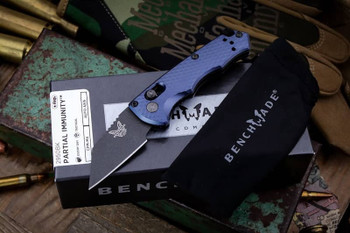
The Benchmade Griptilian series is a textbook example of solid design. Its handle scales are shaped with sweeping curves and just enough contouring to lock your grip in place, even when gloves enter the mix. That's smart ergonomics at work.
Blade Geometry and Balance
Handles matter most, but don't underestimate how the blade affects ergonomics. Just because it's not the part you hold doesn't mean it doesn't matter when it comes to comfort. The knife's balance point (the place where weight is distributed evenly between blade and handle) makes a massive difference in how it feels in your hand.
A blade-heavy design feels clunky in detail work, while a handle-heavy knife may lack the authority you want in chopping tasks. Then there's the choil: the small unsharpened space between blade and handle. It gives you room to choke up for finer control. Add jimping (those little textured notches along the spine), and suddenly, you'll have stability, dexterity, and confidence.
The Microtech Ultratech beautifully demonstrates this balance. Despite its reputation as a hard-hitting automatic, its proportions and thoughtful grip texturing make it surprisingly comfortable during both precision and heavy-duty use.
Task-Specific Ergonomics: Different Cuts for Different Jobs
Not all knives share the exact ergonomic needs. What feels great for everyday carry won't necessarily shine in the woods or kitchen.
1. EDC knives
Compactness and pocket comfort matter. You want deployment methods like thumb studs or flippers that align naturally with your grip. Lock mechanisms should disengage without requiring finger gymnastics.
2. Outdoor or tactical knives
Here gloves are common, so handles need to be larger, textured aggressively, and resistant to slipping in mud, sweat, or rain. Extras like a lanyard hole or extended pommel add versatility without ruining comfort.
3. Kitchen knives
Ergonomics when cooking is primarily about endurance. Long chopping sessions demand handles that won't blister your fingers. Clearance for knuckles and a comfortable pinch grip separate a knife you grab for daily dinner prep from one you regret buying.
Warning Signs of Poor Ergonomics
Your body usually tells you when a knife is fighting back. Pay attention to red flags:
- Tingling or numb fingers after use
- Blisters or hot spots from rubbing
- Struggling to maintain grip in damp conditions
- Fatigue or soreness in your wrist or fingers after ordinary cutting tasks
If you notice these signs, your knife isn't working with you. It's fighting you, and you're losing the battle. And if you rely on that knife in a survival setting, the stakes aren't minor. That's when bad ergonomics stops being annoying and starts being dangerous.
How to Choose an Ergonomic Knife
The best test is still hands-on. While some knives won't work well for anyone, there is no single most comfortable option even among well-designed knives. Think of knives like shoes: what's comfortable for one person might cause blisters and bunions in another.
Test your knife. Start by gripping it firmly. Mimic the movements you'd make in real use. Pay attention to pressure points, balance, and comfort.
If buying online, reviews can be your lifeline. Look for comments on comfort, hand fit, and extended use. Don't ignore details about hand size. What feels perfect for someone with large hands might be awkward for smaller grips.
Not all online sellers are equal. Look for a respected online knife store that allows returns or exchanges as long as the knife is in new condition. That way, if you find your purchase isn't a good fit for your hand, you aren't stuck with it.
Three quick pointers to guide your search:
- Go for contoured handles and high-traction materials.
- Make sure the blade-to-handle balance reduces strain.
- Learn from others with similar needs before buying.
And remember, good ergonomics isn't a luxury. It's a safety necessity. If you're browsing survival gear for sale, treat ergonomics as though it is as essential as blade steel or sheath quality, because it is.
The Final Cut: Comfort Isn't Optional
A knife you can't hold comfortably is a knife you won't use confidently. From everyday cutting tasks to high-stress survival scenarios, effective ergonomics keeps you safer, sharper, and more effective.
Don't settle for handles that rub you raw or designs that strain your wrist. Find one that fits like an old friend, disappears into your palm, and cuts with authority. When form meets function, even the most demanding jobs feel smoother, safer, and more satisfying.