
What Makes a Good Skinning Knife? A Knife Buyer's Guide
Posted by EKnives on Apr 7th 2026
When you're field dressing game, your knife choice can make the difference between a smooth, satisfying job and a slippery mess. Skinning is all about control, comfort, and clean cuts. The right blade keeps you moving efficiently, protects the meat, and saves your hands from fatigue. Whether you're new to hunting or looking to upgrade your kit, knowing what separates a great skinning knife from an average one helps you cut straight to the good stuff.
If you're browsing skinning knives for sale, it's tempting to focus on brand names or how sharp a blade looks out of the box. Sharpness matters, sure, but it's only one piece of the puzzle. Blade shape, steel type, handle design, and even the sheath all work together. Ignore one, and you may find yourself wrestling hide instead of cleanly slicing through it. Let's sharpen your knowledge and break this down piece by piece.
Blade Shape
Skinning knives earn their reputation largely because of their blade shape. Most feature a pronounced belly with a drop point or trailing point tip. That curve isn't there for looks. It's designed to glide through hide with minimal pressure, which reduces the chance of cutting too deeply.
A straight blade can work, but it doesn't follow natural contours as easily. Curved blades shine when you're working around shoulders, hams, and rib cages. They let you make long, smooth strokes instead of short, choppy cuts. That means cleaner work and less fatigue. In knife terms, you're slicing smarter, not harder.
Drop-point blades are a favorite among big-game hunters because they offer strong tip control. Trailing-point blades provide even more belly, which can be helpful on softer or stretchier hides like hogs and coyotes.
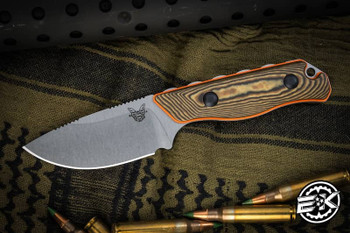
A good real-world example of this design philosophy is the Benchmade Hidden Canyon, which pairs a compact drop point blade with a generous belly. That curve does a lot of the work for you, letting the blade glide along the hide instead of forcing you to muscle through it. It's a solid illustration of how thoughtful blade geometry can improve control, reduce slips, and keep cuts clean when you're working around joints and tight contours.
The best choice in blade shape comes down to the kind of game you hunt and how much slicing surface you want working for you.
Blade Size
Blade length is one of those details that seems simple until you're halfway through a job wishing you'd chosen differently. Bigger isn't always better, and smaller isn't always smarter. The trick is matching blade size to the animal you hunt most often.
- For small game (like rabbits or squirrels), go with a 2- to 3-inch blade for fine work.
- For medium game (like whitetail deer), 3 to 4 inches is ideal.
- For large game (like elk or bear), something in the 4- to 5-inch range is best.
Longer blades give you reach and efficiency, but they can feel clumsy in tight spots. Shorter blades offer precision but may slow you down on larger animals. The sweet spot is a blade that feels nimble while still letting you work efficiently. If your knife feels like it's driving the process instead of following your lead, it's probably the wrong size.
Steel Type
Blade steel is where performance meets practicality. Skinning puts a lot of stress on an edge. You're cutting through hide, fat, and connective tissue, all of which dull blades faster than you might expect. A good skinning knife holds an edge long enough to finish the job without constant touch-ups.
Stainless steels like CPM-S30V or 154CM are popular for a reason. They balance edge retention with corrosion resistance, which matters when blood, moisture, and humidity are in the mix. If you hunt in wet environments, stainless steel can save you maintenance headaches.
Carbon steels like 1095 take a razor edge quickly and are easy to sharpen in the field. The tradeoff is rust resistance. These blades need more care, but many hunters love how responsive they are on a stone.
You want balance. A blade that stays sharp long enough to finish your field dressing without needing a full resharpen mid-process is ideal. Just remember to pack a small sharpener in your gear if you're working through multiple animals.
Handle Design
A sharp blade is only safe if you can control it. Handle design plays a massive role in how confident you feel while skinning. Slippery handles are an accident waiting to happen, especially once things get messy.
Materials like textured rubber, G-10, or Micarta offer excellent grip even when wet. They stay put in your hand and reduce fatigue during long sessions. Smooth handles can look great, but they're better suited to display cases than field dressing stations unless paired with strong texturing.
Handle shape matters, too. A subtle palm swell, finger guard, or ergonomic contour helps lock your hand in place. These features may seem small, but after thirty minutes of steady cutting, you'll be glad they're there. Comfort keeps you focused, and focus keeps your skin where it belongs.
Fixed or Folding
When it comes to skinning, fixed blades are the clear favorite. They're strong, simple, and easy to clean. No pivots, no locks, no hidden places for grime to hide. When you need your knife, it's ready, no questions asked.
Folding knives can work, especially for hunters who prioritize compact carry. However, they require more attention during cleaning, and debris can build up in the pivot. If you choose a folder, look for a strong lock and a design that's easy to rinse out.
Fixed blades are the workhorses of the field, and they don't complain when things get rough. If you're processing multiple animals or working in rugged conditions, stick with a fixed blade. You'll appreciate the reliability.
Sheaths and Carry
A great knife paired with a bad sheath is a sharp blade wrapped in frustration. In the field, you need secure carry and quick access. A sheath should hold your knife firmly while still allowing a smooth draw.
Kydex and treated leather are popular choices because they resist moisture and clean up easily. Belt carry and scout carry options give you flexibility depending on your gear setup. The key is consistency. You want to know exactly where your knife is every time you reach for it.
Some knives include versatile carry systems or MOLLE compatibility. That's great, as long as it doesn't complicate access. When it's time to work, hesitation dulls efficiency faster than a bad edge.
Extras That Can Give You an Edge
Some features aren't required, but they are nice bonuses that can make skinning faster and easier, depending on your style.
Gut hooks allow you to open the abdomen quickly without puncturing organs. Jimping on the spine adds thumb traction for detail work. Finger choils let you choke up on the blade for precision cuts. These extras are like seasoning. You don't need all of them, but the right combination can enhance the experience.
If your hunts often involve speed, detail, or multiple animals, these features may be worth considering. Just remember that simplicity often wins in the field.
Final Cut
When choosing a skinning knife, keep these points sharp in your mind:
- Curved blades offer better control and cleaner cuts.
- Blade length should match the size of the game you hunt most often.
- Steel choice affects edge retention, sharpening, and maintenance.
- Handle grip and shape directly impact comfort and safety.
- Fixed blades deliver strength and simplicity.
- A good sheath supports fast, secure access.
With the right knife, skinning becomes smoother, cleaner, and more enjoyable. You'll waste less meat, work more safely, and finish the job smoothly from first cut to final trim. Keep this guide handy as you shop, trust your hands, and choose a blade that's ready to earn its keep.