
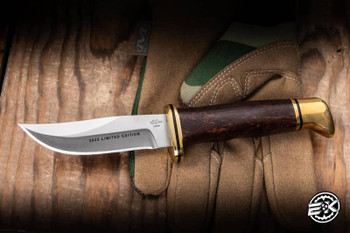
Can Collectible Knives Maintain Value?
Posted by EKnives on Jul 16th 2026
You've found a gorgeous knife while browsing collectible knives for sale from a reputable online knife store. You click "Add to Cart" before anyone else can snag it out from under you. Then, with your finger hovering over the "Check Out" button, you pause.
Sure, you love the knife, but what does its future value look like? Which models actually hold value? Should you keep the box? Is this limited run genuinely collectible, or is it just hard to find for a couple of months before the hype fades?
Those are sharp questions, and they deserve honest answers, especially if you're buying with one eye on the long game.
The good news is that collectible knives can absolutely maintain their value or even appreciate over time. But that outcome doesn't happen by accident. Certain models stay desirable year after year while others get hot for a season, then cool off fast. Understanding why some knives stay sharp in the resale market while others lose their edge is what separates a savvy collector from someone who just got lucky.
What Helps a Knife Hold Value
A collectible knife usually starts with scarcity, but scarcity alone won't cut it. People have to actually want the knife after the initial drop ends. That desire typically comes from a combination of reputation and execution: a respected maker, a strong model platform, and meaningful differences from standard production.
Limited runs, dealer exclusives, Sprint Runs, custom collaborations, and discontinued models tend to get the most collector attention. They give people something specific to chase. A standard production knife might be excellent, but if anyone can buy it on any given Tuesday, the market pressure stays lower. A knife tied to a short run or a discontinued version usually has a richer story behind it, and stories sell.
We'll cut to the chase: if it's a solid product that's hard to get, it's more likely to hold value.
Condition matters enormously, too. Collectors will generally pay a premium for knives that are clean, complete, and well-documented. If you've held onto the original box, the paperwork, and any special inserts, you make the knife much easier to verify and a whole lot easier to sell later.
Reputation Is the Blade That Cuts Deepest
A strong brand or maker name gives buyers confidence, and that confidence is what supports resale value over time. If a brand has a loyal collector base, a long production history, and consistent fit and finish, its limited models tend to have a much better shot at maintaining or growing their value.
You can see this with brands that inspire repeat interest across multiple product lines. That includes names like Benchmade, Microtech, Chris Reeve, and Spyderco. When collectors already follow a maker closely, they're quicker to notice special steels, rare handle materials, unique finishes, or early production runs. That close attention keeps certain knives active in the secondary market long after their original release date.
Working with a knowledgeable custom knives dealer can help you navigate this landscape. A good dealer knows which makers have built that kind of lasting credibility and which ones are riding a wave that might not last.
Hype alone doesn't carry a knife forever. A sudden burst of attention can drive prices up in the short term, but only genuine, lasting interest keeps value steady.
Condition Changes Everything
Let's talk about an area where many collectors make costly mistakes. A collectible knife can lose value fast if its condition slips. Scratches, sharpening errors, missing hardware, damaged packaging, or signs of rough carry all affect what buyers are willing to pay.
Some people don't mind honest wear, but serious collectors almost always want the cleanest examples they can find.
If you're thinking about long-term value, treat your knife like part tool and part historical record. Store it properly. Keep moisture away. Handle it with care. If the knife came with original packaging, save every piece of it. If you bought it as a limited release, hold onto any paperwork that confirms the model, the steel type, or the edition details.
Here are the biggest condition factors collectors keep a close eye on:
- Original box and paperwork
- Factory edge or carefully maintained blade
- Clean scales, hardware, and finish
- No missing or swapped-out components
That doesn't mean every valuable knife needs to live sealed in a display case forever. It just means you need to understand how use affects future price before you take it out for some weekend whittling.
Strong Platforms Make for Stronger Collectibles
Sometimes collectible value comes from the model itself. A knife model with a proven reputation in standard production gives limited variants a better foundation to stand on. Collectors already know the model, trust the design, and understand exactly how a special run differs from the base version.
That's why exclusive steels, special colorways, and collaboration releases often perform well when attached to already-popular platforms. Buyers don't have to learn a whole new knife from scratch. They know the model works. The collectible version just gives them a rarer, more interesting take on something they already love.
Benchmade's Bugout is a great example of this. This folder is wildly popular in regular, non-limited versions. People appreciate and trust it. They hear the name "Bugout," and they know exactly what they're getting. So a custom Benchmade Bugout already has a built-in fan base. That means more collector demand, which means more scarcity, which often means more value.
Timing the Market Without Getting Cut
Even great collectible knives move through cycles. A model might spike right after its release, settle down for a while, then rise again once it becomes harder to find. Another might stay flat for years before collectors circle back to that era of production. Market timing shapes resale prices more than many buyers realize.
That's worth keeping in mind before you assume every sold-out knife will double in value. Some hold steady. Some fade. Some grow slowly because collectors keep returning to them over the years. If you're buying purely because you expect a quick flip, you're taking a gamble on a very unpredictable game.
A better mindset is to buy knives you genuinely appreciate and understand. If the value grows, that's a welcome bonus. If it holds steady, you still own something you wanted for the right reasons.
What Kills Long-Term Value
A few things tend to weaken collectible value faster than others. Common value killers include:
- Lost box or paperwork
- Heavy wear or careless storage
- Modifications
- Non-original parts
- Unclear release history
- Overpaying during a hype cycle
Collectors are more likely to pay premium prices when they feel certain about what they're buying.
Collect Smarter, Not Harder
So, should you buy collectible knives as investments? Yes, but stay realistic. This is a niche market, and values depend entirely on sustained buyer interest. Some pieces perform beautifully over time. Others hold roughly steady. Some disappoint people who bought purely for profit.
The smarter approach is to treat every collectible purchase as an informed decision rather than a guaranteed financial move. If you understand the maker, the release history, and the collector demand behind a knife, you improve your odds of buying well. And if you genuinely enjoy owning it, you take a lot of unnecessary pressure off the whole thing.
Buy from trusted sources. Verify the details. Keep your packaging. Store and treat the knife well. Stay active in collector communities so you understand what people actually want.
Collectible knives can hold their value, but value tends to follow knowledge. Once you understand what makes a knife truly collectible, you'll start spotting the pieces worth watching.